
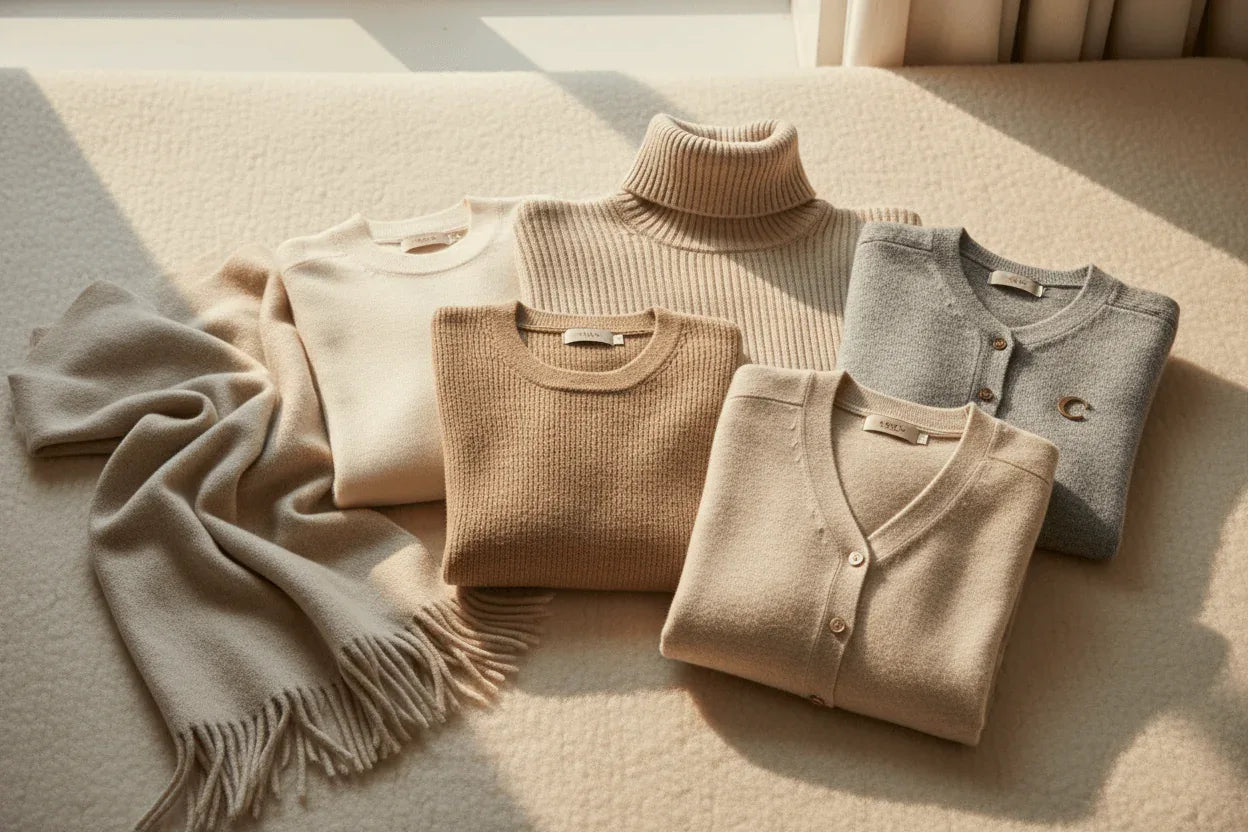


How to Wash Knit Sweaters Without Ruining Them
There is nothing quite like slipping into a beautifully soft knit sweater: and nothing quite as heartbreaking as pulling a shrunken, misshapen version of it out of the washing machine. If you have ever wondered how to wash knit sweaters the right way, you are not alone. It is one of the most common questions in garment care, and the answer is simpler than you might think.
Whether your sweater is cashmere, merino wool, cotton knit or a synthetic blend, proper washing technique is the single most important thing you can do to extend its life. Here is everything you need to know.
Why Knit Sweaters Need Special Care
Unlike woven fabrics, knitted textiles are made of interlocking loops of yarn. This structure gives them their signature stretch and softness: but it also makes them vulnerable to agitation, heat and friction. Toss a knit sweater into a regular wash cycle and you risk felting (irreversible matting of wool fibres), shrinkage, stretching and pilling.
The good news? With a few simple habits, you can keep your favourite knits looking brand new for years.
Step 1: Check the Care Label
Always start here. The care label tells you the fibre content and the manufacturer's recommended washing method. Most luxury knits: including the sweaters in our collection: will recommend hand washing or a gentle machine cycle. If the label says dry clean only, it is safest to follow that advice, especially for structured or embellished pieces.
Step 2: Hand Wash for Best Results
Hand washing is the gold standard for knit sweaters. Here is how to do it properly:
- Fill a basin with cool or lukewarm water: never hot. Water above 30°C can cause wool and cashmere to shrink.
- Add a gentle detergent. Use a wool-safe or pH-neutral liquid detergent. Avoid anything with bleach, enzymes or harsh surfactants.
- Submerge the sweater and gently press it through the water. Do not wring, twist or scrub. Let it soak for 10 to 15 minutes.
- Rinse thoroughly in clean cool water until all soap is removed. You may need two or three rinses.
- Press out excess water by gently squeezing: never wringing. Then lay the sweater flat on a clean towel and roll the towel up to absorb more moisture.
Step 3: Machine Washing (When Allowed)
If the care label permits machine washing, follow these rules:
- Use a mesh laundry bag to protect the sweater from snagging and friction.
- Select the delicate or wool cycle with cold water.
- Use a gentle, wool-safe detergent in a small amount.
- Wash the sweater inside out to minimise surface pilling.
- Never use the spin cycle at high speed: it can stretch the knit out of shape.
Step 4: Drying Your Knit Sweater
This is where most people go wrong. Never hang a wet knit sweater. The weight of the water will stretch it permanently, especially around the shoulders and hem.
Instead:
- Lay it flat on a drying rack or clean dry towel, reshaping it gently to its original dimensions.
- Keep it away from direct sunlight and heat sources like radiators, which can cause shrinkage and colour fading.
- Flip it over halfway through to ensure even drying.
- Allow 24 to 48 hours for full air drying depending on the thickness of the knit.
How Often Should You Wash Knit Sweaters?
Less than you think. Knitwear does not need to be washed after every wear: in fact, over-washing is one of the fastest ways to wear out a sweater. Unless there is a visible stain or odour, you can typically wear a knit sweater three to five times between washes.
Between wears, air your sweater out by laying it flat or draping it over a chair overnight. This lets any moisture evaporate and keeps the fibres fresh.
Quick Tips for Common Problems
- Stain? Spot-treat immediately with a dab of gentle detergent and cool water. Blot: never rub.
- Odour? Hang the sweater in a steamy bathroom for 20 minutes, or lightly mist with a fabric freshener.
- Wrinkled? Use a garment steamer on a low setting. Avoid pressing a hot iron directly onto knit fabric.
Invest in Pieces Worth Caring For
The better the quality of your knitwear, the better it responds to proper care. Premium yarns like merino wool and cashmere blends are naturally resilient and become softer with each careful wash. For a full care routine covering washing, storage, drying, and pilling, see our complete knitwear care guide. Browse our sweater collection and cardigans to find pieces designed to last: and worth the extra minute of care.
Explore the ELNOVÉ collection
Shop SweatersRelated Reading
How to Store Knit Sweaters: Keep Them Perfect Season After Season
How to Stop Your Sweaters From Pilling: A Complete Guide
Shop Related Styles
- Joséphine Cable-Knit Turtleneck Sweater
- Anaïs Bow V-Neck Knit Sweater
- Coralie Ruffled Crew-Neck Knit Sweater
- Héloïse Hooded Ribbed Knit Sweater
Featured from this guide
Shop the pieces.
Hand Wash vs Machine Wash: The Full Decision Guide
The care label is the primary guide, but understanding the logic behind it helps when labels are faded or when you're deciding between the label's recommendation and your own judgment about a specific piece.
Hand wash is required for: cashmere, angora, and any fine-gauge natural fibre knit. It is strongly recommended for: delicate openwork or pointelle constructions, sweaters with embellishments, and any piece with a construction you are uncertain about. Machine washing these pieces risks felting, pilling, and permanent distortion.
Machine wash (cold, delicate cycle) is acceptable for: merino wool marketed as machine washable (look for Woolmark or similar certification), midweight lambswool with no embellishments, and synthetic-blend knitwear. Even machine-washable pieces benefit from a mesh laundry bag and a cold cycle over a warm one: cold water is always lower risk for natural fibre, regardless of what the label permits.
Never machine wash: cashmere, alpaca, angora, any piece marked "dry clean only," fine-gauge or openwork constructions, and sweaters with attached details (beading, structured collars, appliqué). The machine wash/dry clean divide is not arbitrary: dry cleaning uses solvents rather than water, which does not cause the fibre-felting that hot water and agitation produce.
Care by Fibre Type
Different natural fibres have different tolerances for heat, agitation, and moisture. Understanding your fibre type narrows down the correct care approach before you check the label.
Cashmere is the highest-maintenance natural knit fibre. It felts rapidly under heat or agitation and pills more readily than coarser fibres in the first season of wear (before the surface fibres shed naturally). Always hand wash in cold water with a small amount of cashmere-specific or wool-safe detergent. Never wring. Lay flat to dry. For a detailed flat-drying method that prevents stretching, see our guide to drying knit sweaters without stretching. A cashmere piece washed correctly twice a season will outlast the same piece washed aggressively twice a month.
Merino wool is significantly more durable than cashmere and tolerates more handling, but the same cold-water, gentle-agitation principles apply. Machine-washable merino has been treated to resist felting; untreated merino should be treated like cashmere. The distinction matters: always check whether a merino label specifies "machine washable" or "superwash" before running it through a machine cycle.
Cotton and linen knits are the most durable natural fibre options for laundering. Cold machine wash is almost always safe. The risk with cotton knitwear is not felting but shrinkage: cotton fibres contract in hot water and remain contracted permanently. Always cold water for cotton knitwear, even if the label permits warm.
What to Do If Something Goes Wrong
Even careful laundering occasionally produces unexpected results. Knowing how to respond quickly can salvage a sweater that might otherwise seem beyond repair.
If your sweater has shrunk: act while it is still wet, or re-wet it. Fill a basin with lukewarm water and a tablespoon of hair conditioner or baby shampoo, which relaxes the wool fibres. Submerge the sweater, gently press it through the water, and let it soak for fifteen to twenty minutes. Then, supporting its full weight, gently stretch it back toward its original dimensions on a flat surface. Pin it to shape and allow it to air dry completely. This works best on merino wool and lambswool; cashmere is less responsive once felted.
If your sweater has stretched: fill a basin with warm water (slightly warmer than usual, around 35 to 40 degrees Celsius) and submerge the sweater. The gentle warmth encourages natural fibres to contract slightly. Do not wring or agitate. Remove, press out excess water, and reshape to the correct dimensions on a flat surface as it dries. This works best for length-wise stretching around hems and cuffs.
If your sweater has developed new pilling after washing: a fabric shaver (also called a lint defuzzer) removes bobbles quickly and safely without damaging the underlying knit. Work on a flat surface with light pressure. Most pilling on natural fibres is surface shedding that resolves after two or three washes, leaving a smoother, more stable finish.
For everyday prevention, the single most effective habit is simple: wash less. Most natural knit fibres are inherently antibacterial and odour-resistant. Each wash cycle carries a small but cumulative cost to the fibre structure. Airing your sweater flat after each wear, spot-treating when needed, and washing only when genuinely necessary is the approach that keeps premium knitwear in the best condition over years of regular use.
If your knitwear has decorative trim such as feather cuffs or feather-edged collars, the same cold-water hand-wash rules apply. For guidance specific to trimmed knitwear, see our feather trim cardigan care and style guide.
Frequently Asked Questions
Can you machine wash knit sweaters?
Some knit sweaters can be machine washed, but only on a delicate or hand-wash cycle in cold water. Check the care label first. Wool, cashmere, and angora blends should be hand-washed or dry-cleaned. Cotton and some synthetic blends tolerate machine washing on a gentle cycle.
How often should you wash a knit sweater?
Natural fibres like merino and cashmere are naturally antibacterial and do not need frequent washing. Air the sweater between wears by laying it flat or hanging it briefly in fresh air. Wash only when visibly soiled or after 3-5 wears. Overwashing breaks down the fibres faster.
How do you dry a knit sweater after washing?
Lay the sweater flat on a clean towel or drying rack in its natural shape. Never hang a wet knit sweater, as the weight of the water will stretch it permanently. Reshape gently while damp. Dry away from direct heat or sunlight, which can cause shrinkage and colour fade.
What temperature water should you use to wash knitwear?
Always use cold or lukewarm water (below 30 degrees Celsius). Hot water causes wool fibres to felt and shrink irreversibly. Even fibres labelled machine washable should be washed cool: heat is the most common cause of knitwear damage.


