
Knitwear Colour Trends 2026: The Shades to Wear Now
Colour is the quietest luxury in a wardrobe. The cut sets the silhouette, the construction sets the quality, and the colour sets the mood. This year, the palette is softer, warmer, and more pigmented than the cool neutrals that dominated the last few seasons. Cream is no longer the default. Grey has stepped back. In their place, a new spectrum of butters, browns, plums, and rinsed pastels is shaping how women dress in knit.
Here is what is moving in knitwear colour right now, why each shade works, and how to wear them without looking like you are chasing a trend.

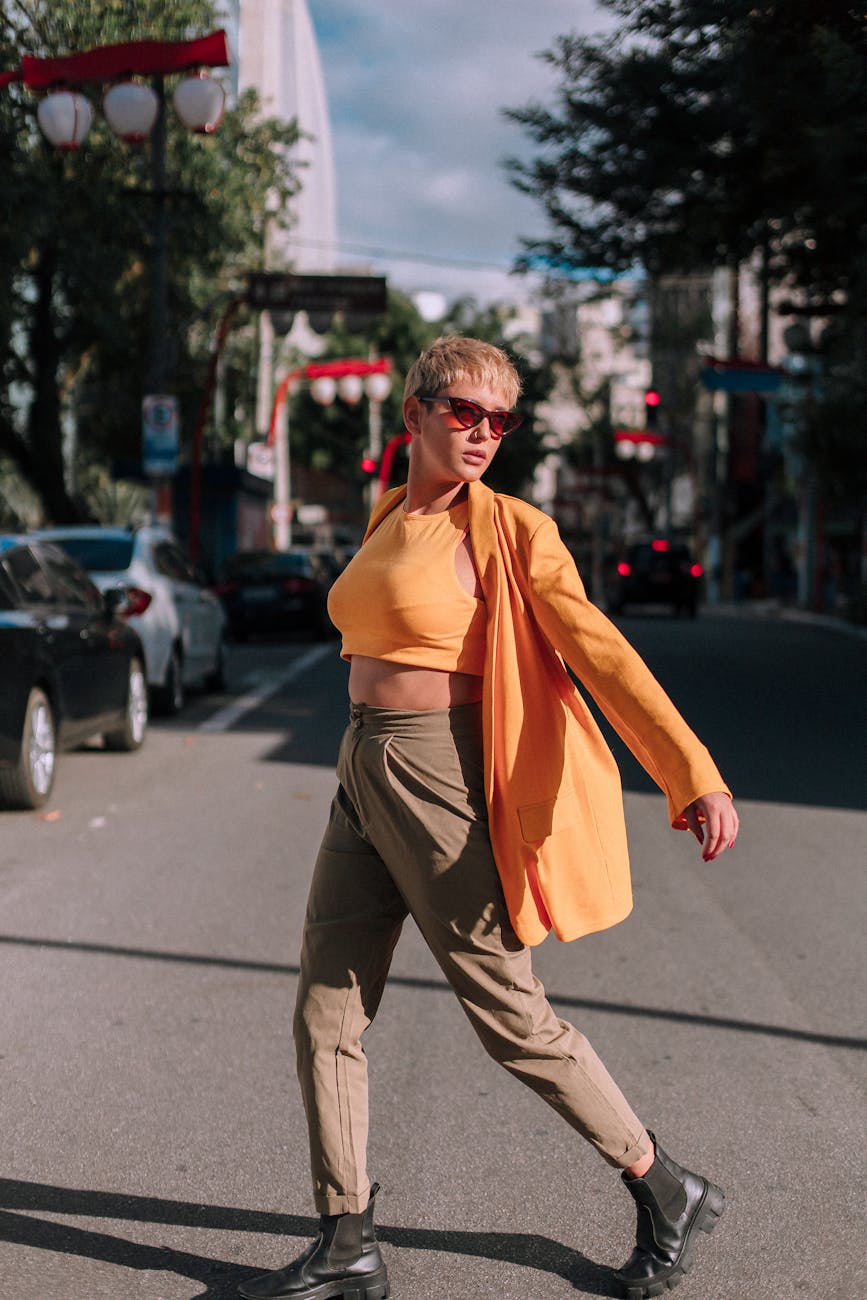
Photo by Murat IŞIK on Pexels
Butter Yellow Is the New Cream
The biggest shift this year is the rise of butter yellow. It is warmer than cream, softer than mustard, and reads as expensive in waffle knit, cable knit, and fine 7-gauge ribbing. On the runways and on Pinterest boards, it is the colour stylists keep returning to because it flatters most skin tones and works against denim, chocolate brown, and stone trousers.
Butter yellow looks best in pieces with visible construction. A waffle-knit pullover or a longline cardigan in this shade carries texture beautifully because the surface catches light. Pair with a white tee underneath and tailored trousers for a clean daytime look.
Mocha, Cocoa, and the Return of Brown
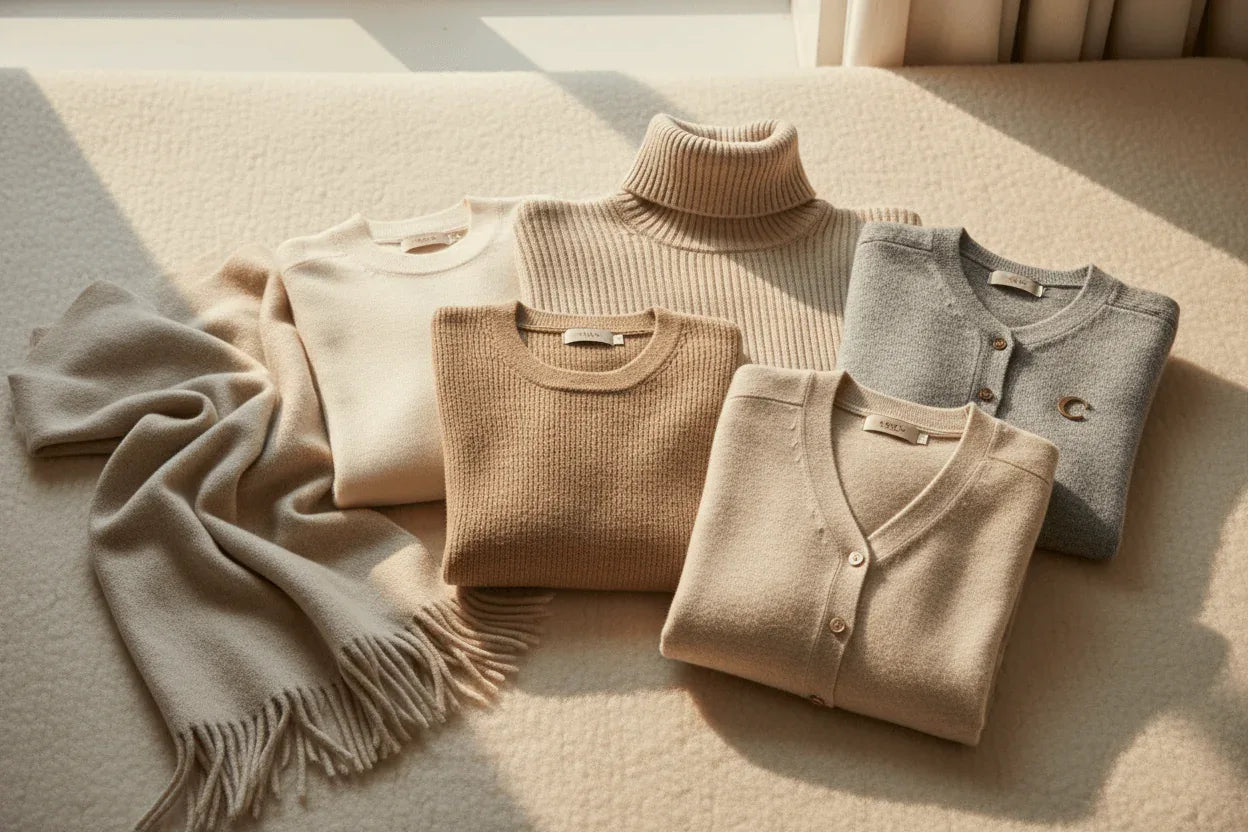
Brown is the quiet success story of 2026. Not the flat tan of fast fashion, but rich mocha, cocoa, and espresso tones that read as grown-up and considered. Brown knitwear works because it warms the face the way black never does, and it pairs effortlessly with cream, butter, navy, and every shade of denim.
Look for brown in cable knit, bouclé, and chunky 5-gauge styles. The texture stops the colour from feeling heavy. A mocha cable-knit jumper over a midi skirt is one of the most wearable outfits of the season. Browse the Sweaters collection for the full brown spectrum.
Plum, Burgundy, and Wine: The New Statement Neutrals
Reds and purples have returned, but in their deeper, more wearable forms. Plum, burgundy, and aubergine are being treated as neutrals this year, layered against grey, cream, and brown the way navy used to be. They feel sophisticated rather than loud, and they look particularly good in fine knits and ribbed silhouettes.
If you are nervous about colour, start with a burgundy ribbed top or a plum cardigan over black trousers. The shade does the work, the cut stays simple. Cardigans in this family layer over almost everything you already own.
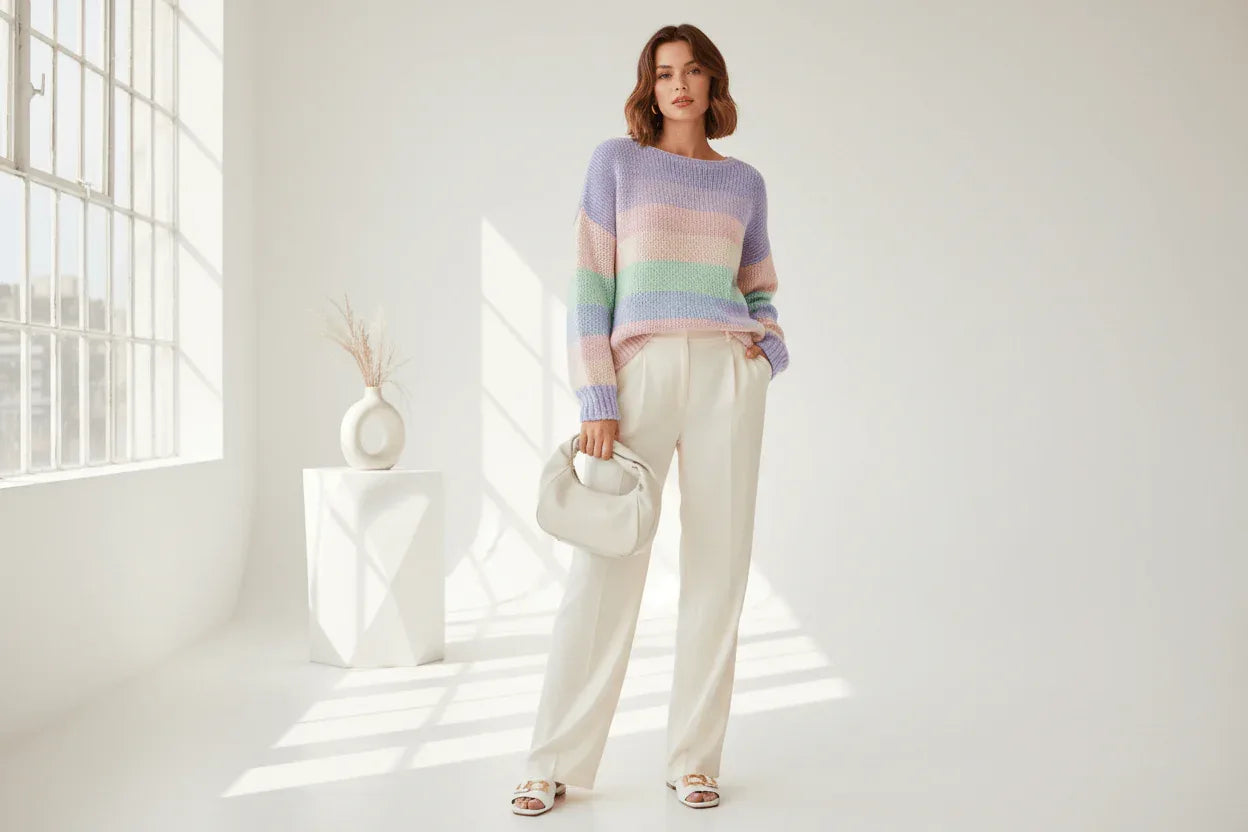
Photo by Filip Rankovic Grobgaard on Pexels
The 2026 Knitwear Colour Map
Use this as a quick reference when you are shopping or planning outfits. Each shade is matched with the construction it suits best and the colours it pairs with most easily.
| Colour | Best Construction | Pairs With | Mood |
|---|---|---|---|
| Butter Yellow | Waffle knit, fine rib | Denim, chocolate, stone | Warm, fresh, soft |
| Mocha Brown | Cable knit, bouclé | Cream, butter, denim | Grounded, expensive |
| Plum & Burgundy | Ribbed, longline | Grey, navy, brown | Sophisticated, quiet |
| Sage & Pistachio | Openwork, light knits | White, cream, denim | Calm, considered |
| Powder Pink | Fine 7-gauge, cable | Grey, brown, cream | Soft, romantic |
| Charcoal & Slate | Chunky knit, longline | Cream, plum, denim | Modern, sharp |
Sage, Pistachio, and the Greens That Stayed
Green did not leave with last season. It softened. Pistachio, sage, and dusty olive have settled into the wardrobe as gentle alternatives to grey and beige. They photograph beautifully, they suit fair and warm skin tones equally, and they pair with denim like they were made for it.
Openwork knits and light cardigans are the easiest way in. A sage openwork knit over a white tee with cream trousers is the kind of outfit that looks effortless without being plain.
How to Buy Into Colour Without Regret
Trend colours are seductive, but the wardrobes that age well are built on shades you actually wear. Before you commit, run the piece through three quick tests.
- The neutral test: does the colour pair with at least three things you already own? If not, you will wear it twice.
- The skin tone test: hold the piece near your face in daylight. If it warms your complexion, keep it. If it drains you, leave it.
- The construction test: a trend colour in poor construction looks dated by November. A trend colour in waffle knit, cable knit, or proper ribbing reads as considered for years.
The smartest way to wear colour trends is to buy one or two pieces in shades that genuinely suit you, then anchor them with the cream, brown, and charcoal knits already in rotation. That is how a wardrobe stays current without feeling like it was bought in a panic.
Explore the season's full palette in La Sélection and the freshest pieces in New Arrivals, where this year's colours land first.
Browse the complete knitwear index for every ELNOVÉ collection, piece, and guide.
Featured from this guide
Shop the pieces.
Building a Colour Palette Beyond the Season
Trend colours have a functional lifespan of twelve to eighteen months in fast fashion and three to five years in well-made knitwear. The gap matters: a well-constructed sweater you buy this season should still feel relevant in 2029. Buying trend colours in durable pieces is only a good decision if those colours have a viable place in your existing wardrobe beyond the peak of their trend cycle.
The practical test: take the colour you are considering and ask whether it fits with at least five other pieces you currently own. Butter yellow worn with cream, tan, and olive builds a coherent warm-neutral wardrobe. Butter yellow worn with primary colours and loud prints is a trend item that will feel dated when the trend moves. The colour itself is not the problem; the context is.
The colours with the longest functional lifespan from the 2026 cycle are the ones closest to classic neutrals: the mochas and cocoas extending the brown family, the aged whites and warm creams, and the deeper greens that read as nature-adjacent rather than trend-specific. These will outlast the trend cycle because they were never purely about the trend in the first place.
Plum and wine are the highest-risk picks from this cycle for longevity, but also the most rewarding when the timing is right. A deep plum fine-gauge sweater in a classic silhouette (round neck, minimal detail) has a two to three year active window before it reads as dated. The same colour in a very 2026-specific cut shortens that window considerably. Invest in the colour only when the silhouette is genuinely classic.
Caring for Coloured Knitwear
Natural fibre knitwear in deep colours requires specific care to prevent fading and colour bleed, particularly in the first several washes.
Deep colours (plum, burgundy, wine, navy) should be washed separately from lighter pieces for the first three washes. Natural dye processes sometimes release excess pigment in early washes, and cold water reduces this significantly compared to warm. After the initial washes, the colour stabilises and normal cold-water gentle washing is safe.
White and cream knitwear should never be washed with other natural fibre pieces, even ones that have been washed many times. Wool and cashmere can transfer colour under conditions that cotton does not, particularly if the water is slightly warm. A dedicated gentle wash for light pieces keeps them clean and prevents grey-white accumulation that appears gradually over mixed washes.
Air drying in indirect light or indoors preserves colour significantly better than drying in direct sunlight. Natural fibres, particularly wool, fade measurably under prolonged UV exposure. The fading is slow enough to be imperceptible day-to-day and only apparent when a stored piece is compared to an actively worn one after a season.
How to Build a Colour Palette Around These Shades
A single trend shade lands better when it sits inside a palette rather than appearing in isolation. The practical approach is to anchor the trend colour with at least two neutrals it genuinely agrees with. For the earthy clay and terracotta tones that are prominent in 2026, the anchoring neutrals are camel, warm ivory, and soft tobacco brown. Carry one of those in a trouser or skirt and the trend colour in the knit itself, and the whole look reads as considered rather than reactive.
For the quieter end of the 2026 palette, specifically the cool sage greens and dusty lavenders, the natural anchors shift toward stone, grey flannel, and off-white. These shades are more versatile as knitwear pieces because they do not compete with most wardrobe foundations. A sage fine-gauge ribbed cardigan worn open over a stone-coloured dress is a combination that requires almost no thought to make work.
Building a two-season palette from the 2026 trend directions: choose one warm earthy tone and one cool quiet tone as your two knitwear investments. The warm piece does autumn and winter. The cool piece does spring and the transitional weeks either side. For a full guide to lightweight spring and summer knitwear, see our lightweight knits guide. Both sit in a collection that already contains neutrals, which is the case for most built wardrobes. This approach means you are updating the wardrobe incrementally rather than overhauling it for every trend cycle. See the Coralie ruffled crewneck for a piece that reads well across both neutral anchors, and the Camille cowl-neck as an entry point for the quieter end of the palette.
Frequently Asked Questions
What are the key knitwear colours for 2026?
The dominant directions for 2026 are warm neutrals (butter, camel, ivory), deep earth tones (chocolate, tobacco, rust), and considered brights used as single statements against neutral bases. Quiet, considered colour is preferred over high-saturation trend pieces.
How do you build a colour palette for knitwear?
Start with one or two neutral bases (ivory, camel, or a warm grey) and one deeper anchor (chocolate, charcoal, or forest). Add one seasonal accent in a trend colour if desired. Three colours in a coherent palette produce more outfits than six unrelated shades.
Which knitwear colours are most versatile?
Camel, ivory, and oatmeal work across the most outfit combinations. They pair with both neutral and colour bottoms, layer easily with each other, and read current regardless of season. These are worth investing in as the base of a knitwear wardrobe.
Should knitwear match or contrast with the rest of the outfit?
Either approach works if done deliberately. Tonal dressing (similar shades top-to-bottom) elongates the silhouette and reads particularly elegant in neutral palettes. Contrast (a bright or deep knit against a neutral bottom) creates a clear focal point. Avoid accidental colour clashes by testing combinations in good light.